We are dedicated to conserving animals here and around the world.
At the Saint Louis Zoo, we care about animals and creating a sustainable future for them. Conservation takes teamwork. From big actions like fieldwork and hands-on research, to simple steps like putting up a birdfeeder, everyone has a role to play and everyone can help. Learn about some of the ways we are helping animals and how you can participate in conservation, too.
Action
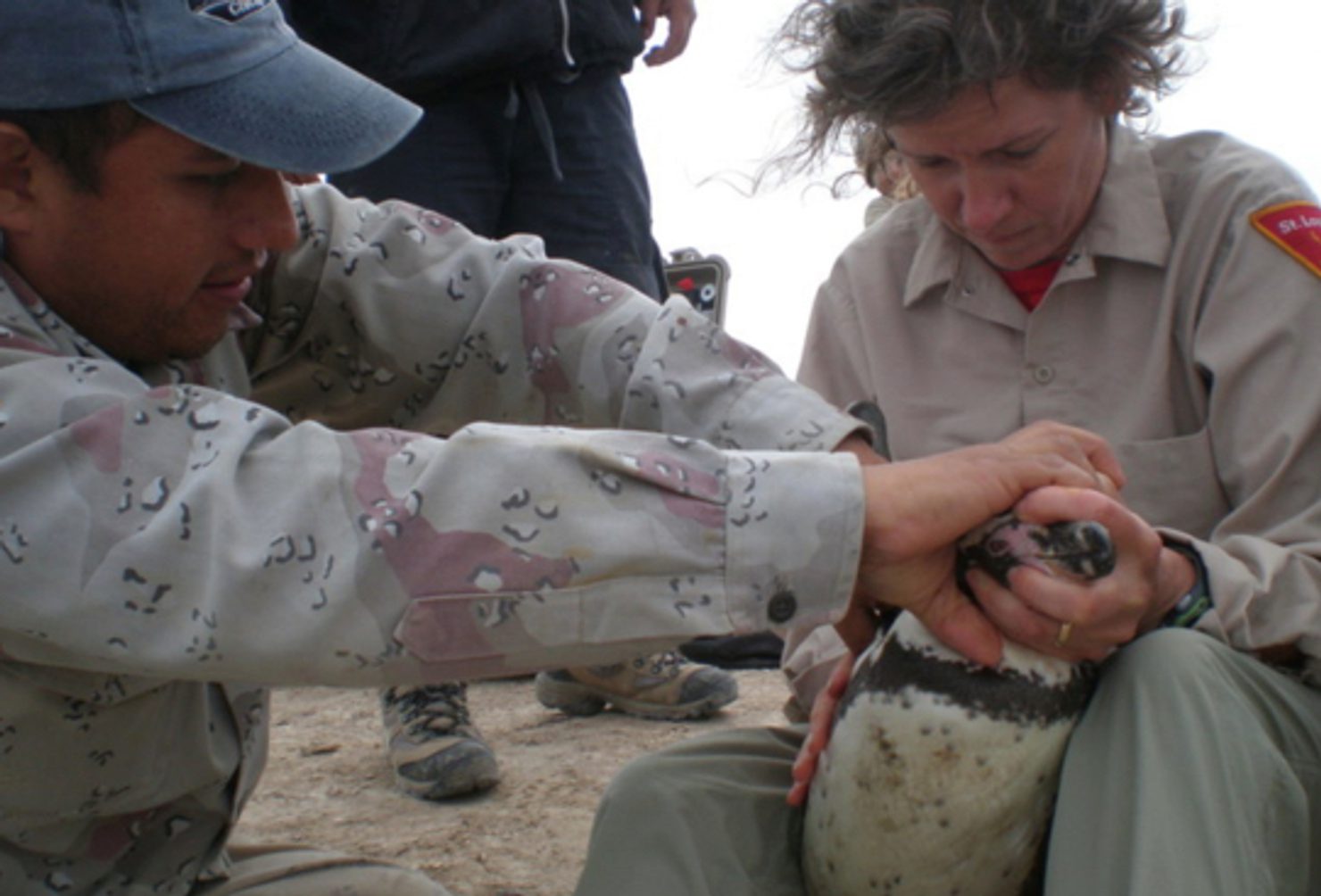
We work locally and globally to protect animals and the land, air and water they depend upon. Together with collaborators, we’re saving animals from extinction and helping build resilient, thriving communities.
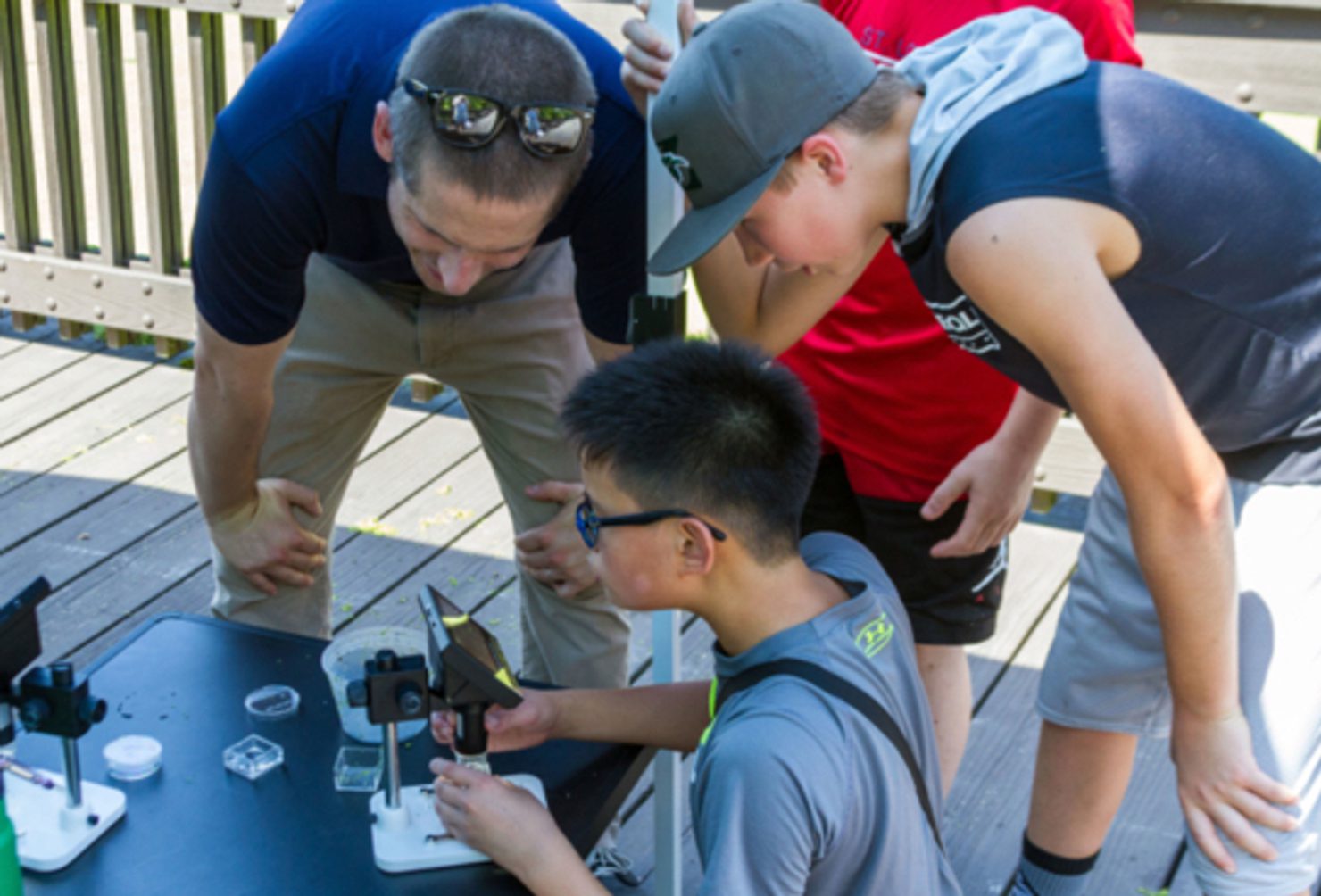
Advocacy
We advocate for animals and the habitats they need to thrive by actively engaging communities to care for the natural world, protect wildlife and support community well-being through our actions.
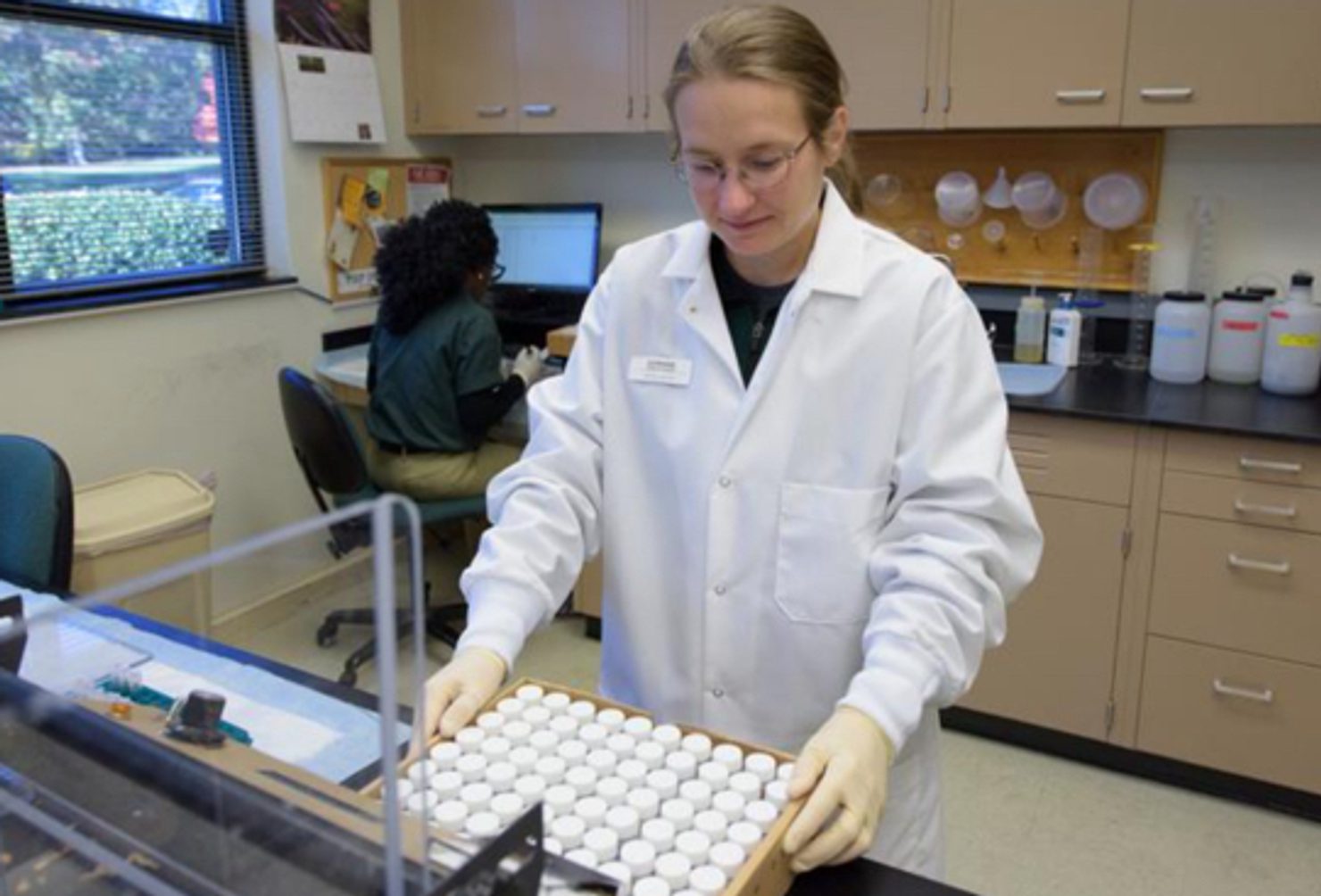
Research
Our scientists are solving conservation challenges through rigorous research in labs, at the Zoo and in nature.
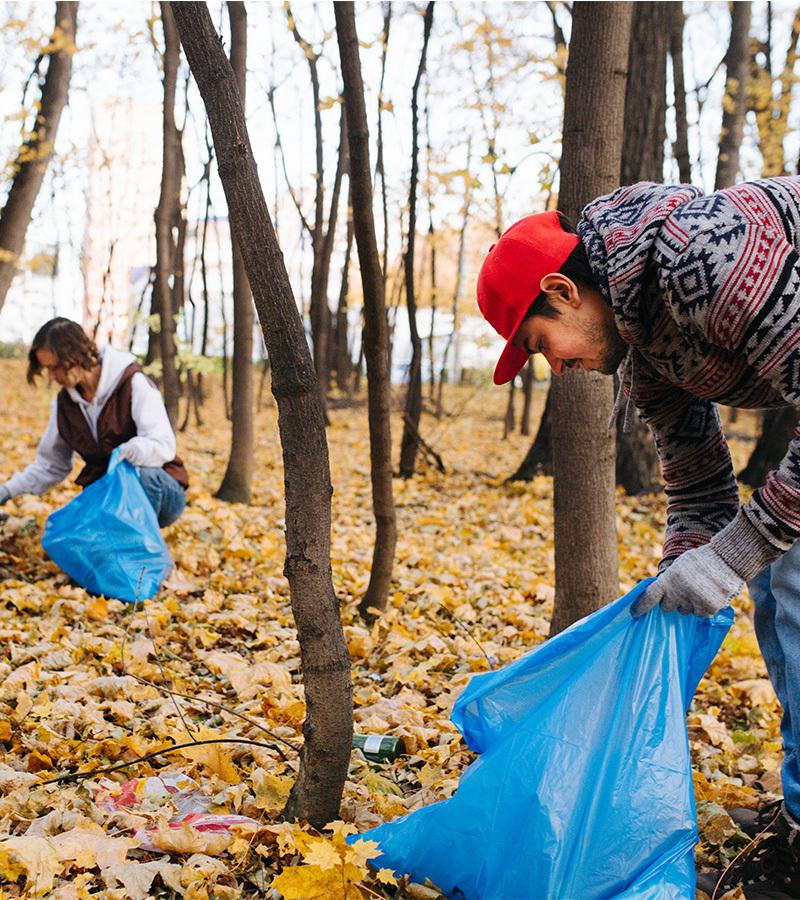
Do-It-Yourself Conservation
Our daily actions and purchases can affect wildlife and habitats all over the world. You can personally help protect wildlife by doing earth-friendly activities as part of your daily life. If you want to get deeply involved with helping the environment, think about joining a conservation organization, volunteering your time to conservation projects or writing your legislators when you have an opinion about pending legislation on environmental, land use and other issues.
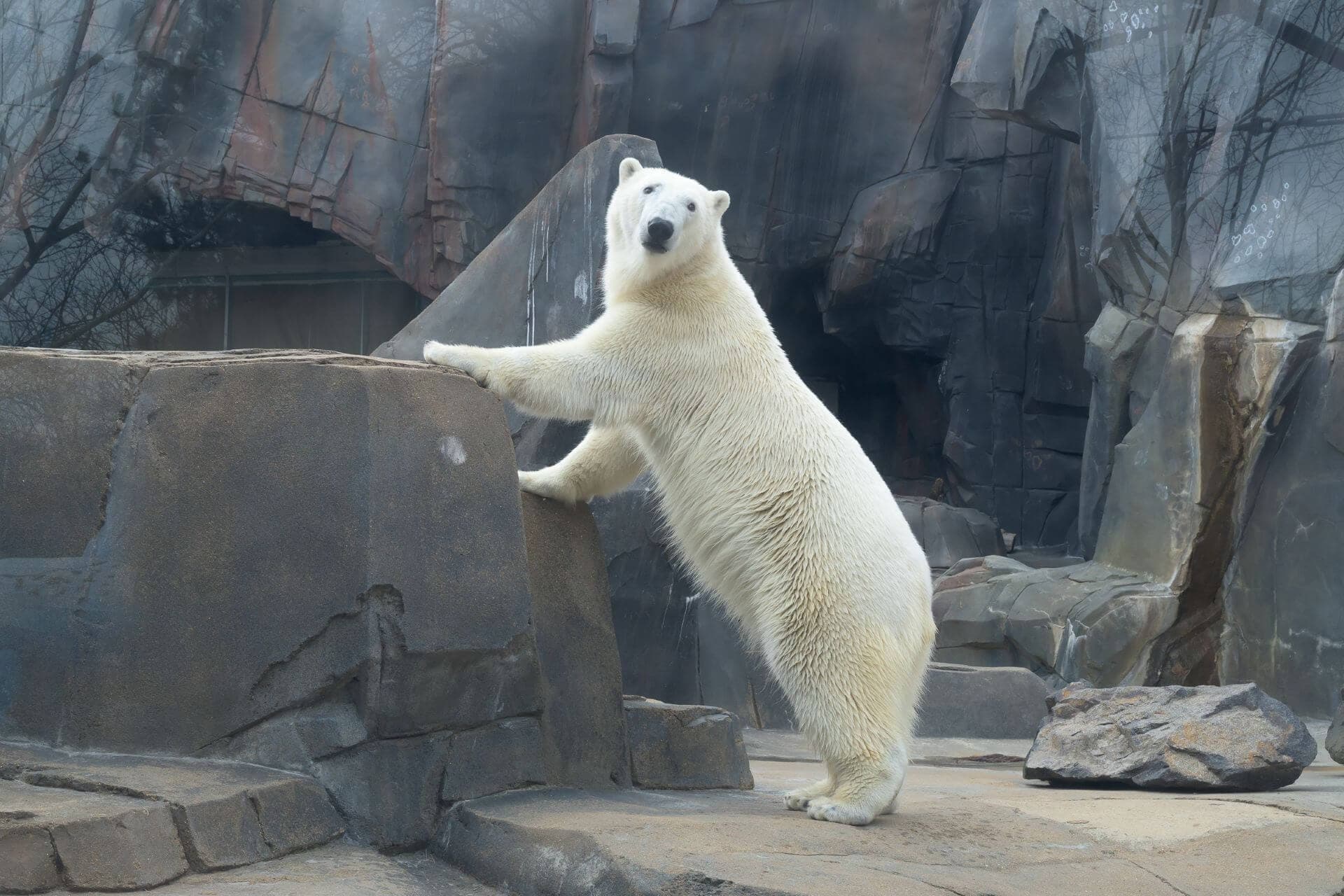
Climate Change
As a conservation organization, the Saint Louis Zoo has a responsibility to constructively engage in climate change solutions.
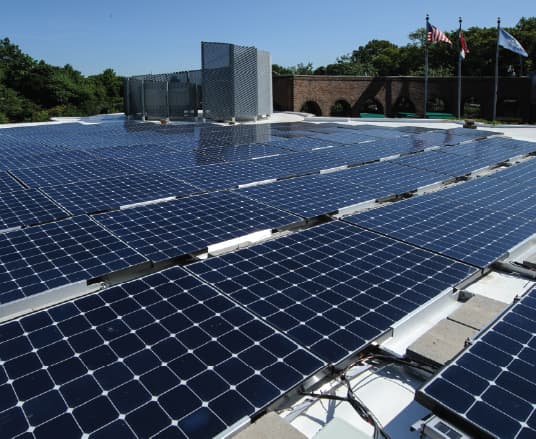
Sustainability at the Saint Louis Zoo
Conserving animals and their habitats is a core mission of the Saint Louis Zoo. We have a commitment to making our campus and operations sustainable as part of our conservation mission. We have made great efforts to reduce our environmental footprint, reduce greenhouse gas emissions and protect natural resources.
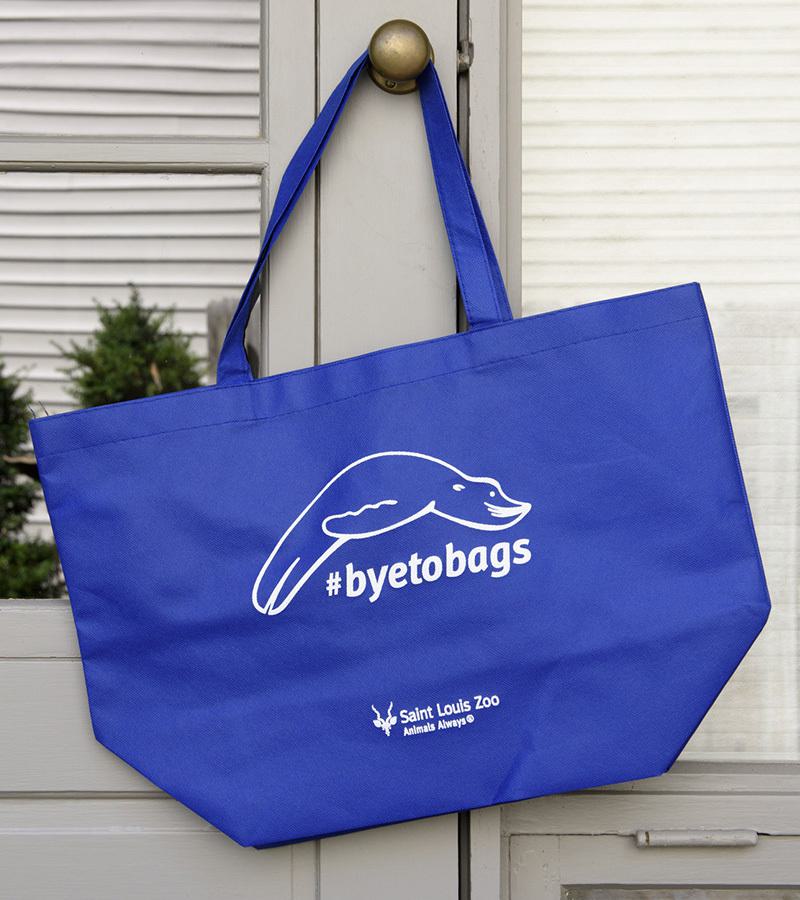
Bye to Bags
The Zoo has created the #byetobags pledge to come together to protect wildlife from the dangers of plastic pollution. The average family can keep 1,500 plastic bags from being used each year by switching to reusable bags! As of December 1, 2021, over 14,000 people have taken the #byetobags pledge to switch to reusable bags and are saving between 140,000 and 410,000 plastic bags from being used each week! Join us and help this number grow!