Zoo Resource Conservation & Recycling
The Saint Louis Zoo has formed a zoo-wide Resource Conservation & Recycling Committee to study energy and environmental practices that will conserve valuable resources.
As a conservation organization, we work hard to save wild things in wild places around the globe. At the same time, it is important to look at our recycling efforts here at the Zoo and to save on water usage, energy, landfill space and building materials.
Below is our report 2011 Sustainability Report.
Recycling
The Zoo currently recycles:
- Mixed paper
- Plastics
- #1 polyethylene terephthalate, found in soft drink, water and other bottles
- #2 high density polyethylene, found in milk jugs, juice bottles; bleach, detergent and household cleaner bottles
- #3 V (Vinyl) or PVC, found in window cleaner and detergent bottles, shampoo bottles, cooking oil bottles, clear food packaging.
- Scrap metal, aluminum, steel, tin, telephone books, cardboard
- Printer cartridges and electronics, including TVs, monitors, computers, cell phones, printers and assorted appliances
- Batteries, oil products, green waste
- Browse from the Zoo and the Missouri Botanical Gardens
- Promotional material from the Zoo, pallets, old uniforms, fryer oil
- The Zoo also reuses construction and demolition materials.
Recycling Results
The Saint Louis Zoo diverted 53.09% of its total waste from landfills in 2011.
Cardboard
The Zoo in 2011 recycled 63.32 tons of cardboard, saving 24,695 kilowatthours of electricity, and 570 cubic yards of landfill space and the associated cost of hauling 1,076 trees and 37,169 pounds of air pollution.
Paper
In 2011, the Zoo recycled 19.09 tons of mixed paper, saving 325 trees and 58.42 cubic yards of landfill. Because of the reuse of this paper, the Zoo avoided emissions of 11,206 pounds of air pollution and use of 8,839 gallons of oil.
Plastics
Through recycling of 6,297 pounds of plastics (#'s 1,2,3), the Zoo increased its rate for capturing discarded plastics from 29.1% in 2010 to 68.27% in 2011.
Animal waste
The Zoo recycled over 2,291,040 pounds of animal waste, bedding and green waste, sending these materials to Saint Louis Composting throughout the year. This initiative saved 1,146 tons of waste from going to landfills and provided finished products that were then reused.
Metals
The Zoo recycled 35,660 pounds of scrap metal, keeping it out of landfills and saving the cost of hauling it away. We also recycled 8,816 pounds of precious metals, recouping $1,608 for Zoo programs.
Light bulbs
In 2011, the Zoo's light bulb recycling project continued, with all departments collecting their bulbs. On specific days during the year, these bulbs are recycled with Project Incorporated, a local non-profit organization; 1,441 pounds of light bulbs were recycled in 2011.
Electronics
The Information Technology Department recycled approximately 7,026 pounds of computers, monitors, printers, copiers and other assorted electronics in 2011. These go to Midwest Recycling Center in Saint Louis to be broken down and recycled.
Why the Zoo Recycles
Reducing greenhouse gases and air pollution
- Making paper products from recycled paper creates 74% less air pollution and uses 64% less energy than making paper from virgin wood pulp.
- Making aluminum cans from recycled materials produces 95% less air and water pollution than making cans from raw materials.
Saves natural resources
- Recycling a ton of glass means saving more than a ton of soda ash, limestone, sand and feldspar.
- Recycling aluminum reduces the need to mine for bauxite, the ore used to make virgin aluminum.
Saves energy
- Recycling a ton of paper saves 4,100 kilowatt-hours of electricity, enough to heat a home for six months.
- Recycling a ton of aluminum saves the same amount of electricity a home uses in 10 years.
Animal connection
- Global warming threatens up to one million plant and animal species -- including polar bears, coral and whales.
- Bauxite mining often occurs in ecologically sensitive areas and can harm animal and plant life.
- Production of petrochemicals and coal results in greenhouse gases and pollutants that harm wildlife.
Going Green in Food Service
Eco-friendly products
In 2011, the Zoo's Food and Beverage Department took steps toward a greener future by using eco-friendly products including Earth & Sky Rainforest Alliance Coffee and compostable paper products.
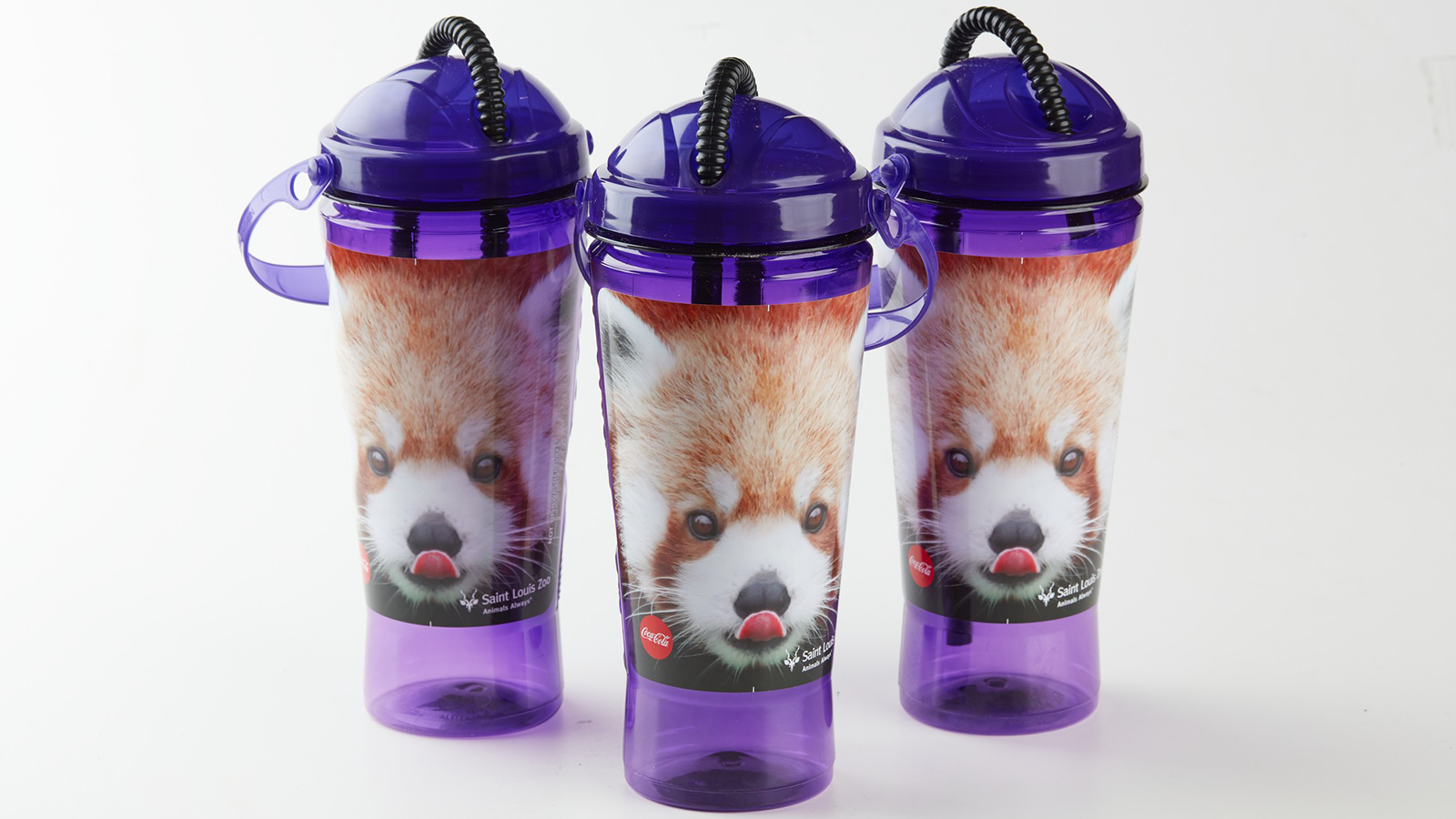
Re-usable sipper cups
The Zoo has aggressively promoted the use of the re-usable "sipper" cup, more than doubling the sale of the cups in six years. The refillable sipper program reduced the use of thousands of paper cups each season. The Zoo encouraged guests to bring their sipper cups back with them each time they visited the Zoo.
- 88,000 cups were sold in 2011
- 34,000 cups were sold in 2005
Conserving Resources
Here are only some of the Zoo's efforts to conserve in 2011:
- Super clean products were purchased as the new degreaser for our rail line and rides. This product is a biodegradable detergent that is safe for the environment and replaces the kerosene/oil-based product previously used.
- We recycled more than 21,000 stroller and wheelchair tickets.
- Guests' paid receipts are used for admission to the 3D movie to avoid printing more than 24,000 attraction tickets.
- All cleaning rags are being sent off to be washed and reused—reducing the need to purchase new towels.
- We recycled over 1 million attraction tickets.
- River's Edge maps were collected and recycled for visitors' use.
Conserving Energy
Fuel
The Zoo recently changed many of its gasoline-powered vehicles to electric vehicles to avoid using higher-cost fossil fuels, reduce harmful substances released into the atmosphere and save money.
The Zoo's new bio diesel station, which was built and designed by Zoo staff in 2011, converts grease from Zoo restaurants to diesel fuel for Zoo vehicles and equipment. This project will result in substantial fuel savings for years to come.
Heating & Cooling
The Zoo installed glass block windows for its crocodile exhibit in the rear of its Herpitarium. The installation will save electricity used to heat and cool the area by creating a less drafty seal on the windows and allowing sunlight to filter through.
A new, more energy efficient chiller, was installed in Penguin & Puffin Coast in 2011 to replace an older piece of equipment that kept the exhibit cool for the animals. The Zoo worked with the local utility company -- Ameren Missouri -- in the installation, receiving $3,528 rebate with the purchase. This equipment is expected to save up to 75,000 kilowatt house of electricity annually.
At the Jungle of the Apes and in the Painted Giraffe Cafe in The Living World, new on-demand hot water heaters were installed in 2011 to use less natural gas.
A new maintenance shop was completed and dedicated May 10, 2011. The Zoo's Facilities Management staff worked with Ameren Missouri during construction to install energy efficient heating ventilation and air conditioning equipment and lighting. The Zoo received over $4,400 in rebates through the utility's energy efficiency programs.
The year 2011 marked the installation of thermal expansion valves for a walk-in freezer in the Zoo's Distribution Services area. Zoo crews replaced these valves to save the Zoo over 21,084 kilowatthours each year in electricity use, reducing power costs. The Zoo received $1,055 Ameren Missouri as part of a rebate program to encourage installation of energy efficient equipment.
Lighting
In 2011, the Zoo replaced outdated lighting with energy efficient lighting in the following areas: the pathway from central walk to The Living World, the Children's Zoo, the Administration Building, the employee training trailer, The Living World, Red Rock barns, the Distribution Services building, the Primate House; and the Birdhouse Basement.
Zoo Facilities Management staff worked with the utility company, Ameren Missouri, and Metro Electric to install this lighting, saving the Zoo 520,380 kilowatthours of annual electricity use. The Zoo received over $53,000 in rebates from Ameren Missouri in 2011 for this and other projects.
Water and horticulture
In 2011, new aeration systems were installed at the Zoo's cove and lakes area to improve water quality and reduce water consumption.
The Zoo's Horticulture Department propagated and saved 3,109 tropical plants during the fall and winter of 2011 and 2012, including:
- 2,360 plugs/cuttings
- 735 tropical bulbs/tubers/plants
- 214 cactus/succulents
Eco-Friendly Gift Shops
The Zoo's new greeting cards found in the Zootique gift shop are eco-friendly. Introduced in 2011, these earth-friendly cards are made from 50% recycled paper. The envelopes are produced with mixed eco paper and printed with soy-based ink. This line of cares is considered the most sustainable on the market.
The Safari gift shop recently completed upgrades to various fixtures and displays throughout the store. The fixtures were fabricated using sustainable, recycled or green materials--most of which can to be recycled at the end of their useful life.
Education Department Programs
- The Education Department's Exploration Outpost classroom is LEED silver certified. (LEED, or Leadership in Energy and Environmental Design, provides building owners and operators with a framework for identifying and implementing practical and measurable green building design, construction, operations and maintenance solutions.)
- A Ford Escape Hybrid-Electric vehicle is used for outreach programs.
- All classrooms and office areas in The Living World, at Exploration Outpost and in the Primate House have recycling bins.
- Office areas have compost bins. The Living World office and Camp KangaZoo also have vermicomposting (worm) bins.
- Turning Point software is used for electronic assessments, rather than paper surveys in some areas. The Zoo is working to make sure electronic files replace paper files.
- Notebooks have been made out of one-sided used office paper, old Zoo program certificate paper, old letterhead, etc., with cereal or cracker boxes as the cover.
- The Zoo's Education Department is using dishes and flatware in the department with less waste of paper products.
Campers, Students Encouraged to Be Green!
- Students and campers are given souvenir cups made of recyclable plastic.
- Flashlights for night hikes are rechargeable and durable.
- Most camp snacks are purchased in bulk and not individually packaged to reduce waste, and trash-free meals are encouraged for campers and staff.
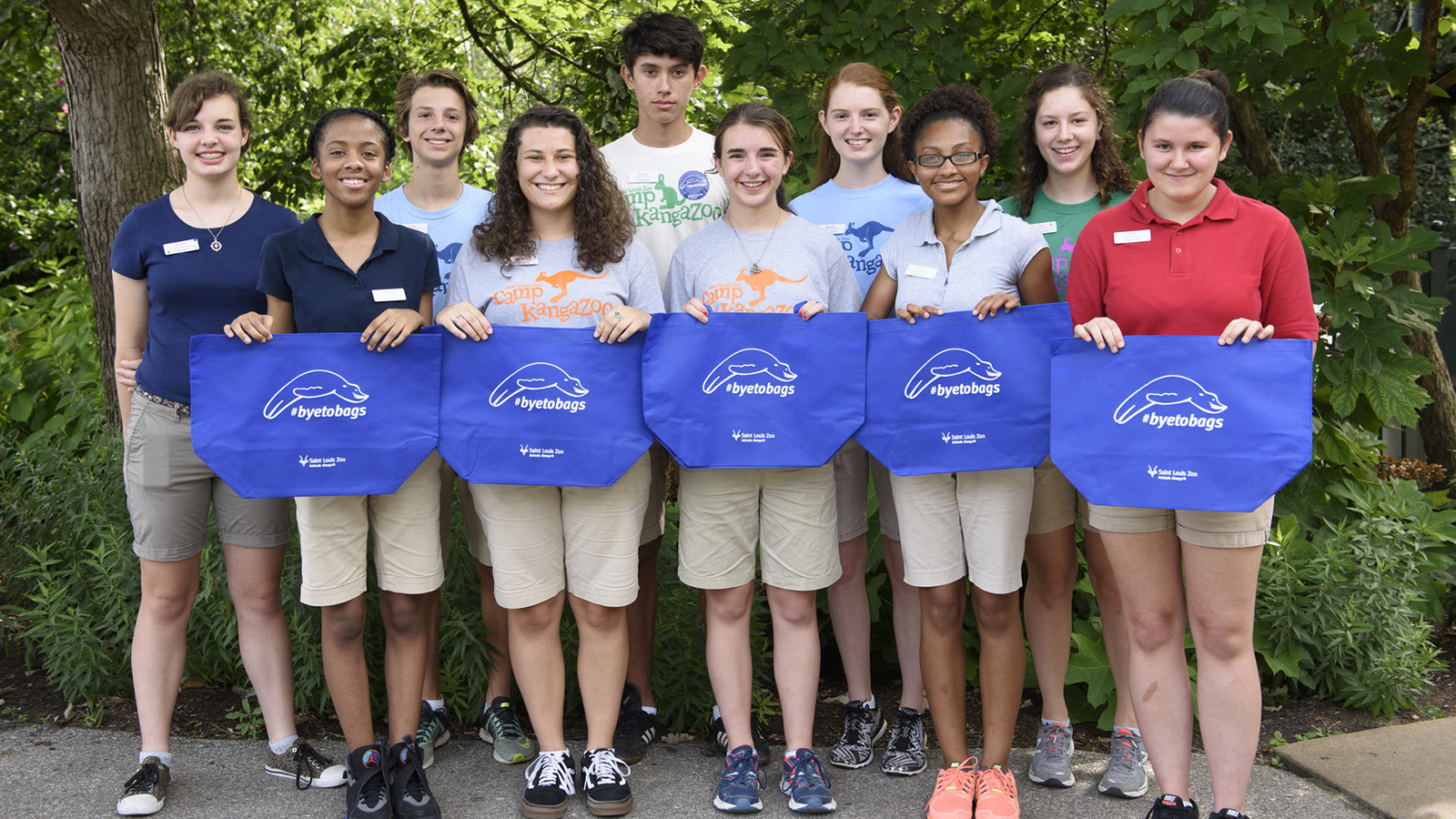
- Camp t-shirts are organic cotton or eco-spun fabric.
- Campers are encouraged to bring old cell phones for the Zoo to recycle.
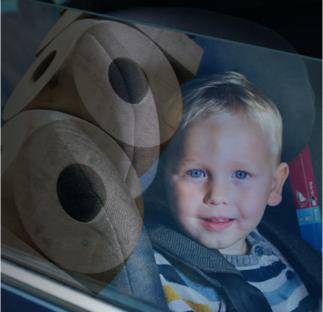
- Parents are encouraged to avoid idling in the pick-up line with a message printed on the back of the camper ID card which goes in their car windshield.
- Staff managing crafts and art activities reuse materials (socks, plastic tubs, wire coat hangers, old silverware, etc.) donated from Zoo staff, campers or purchased at Goodwill and other outlets for recycled goods.